

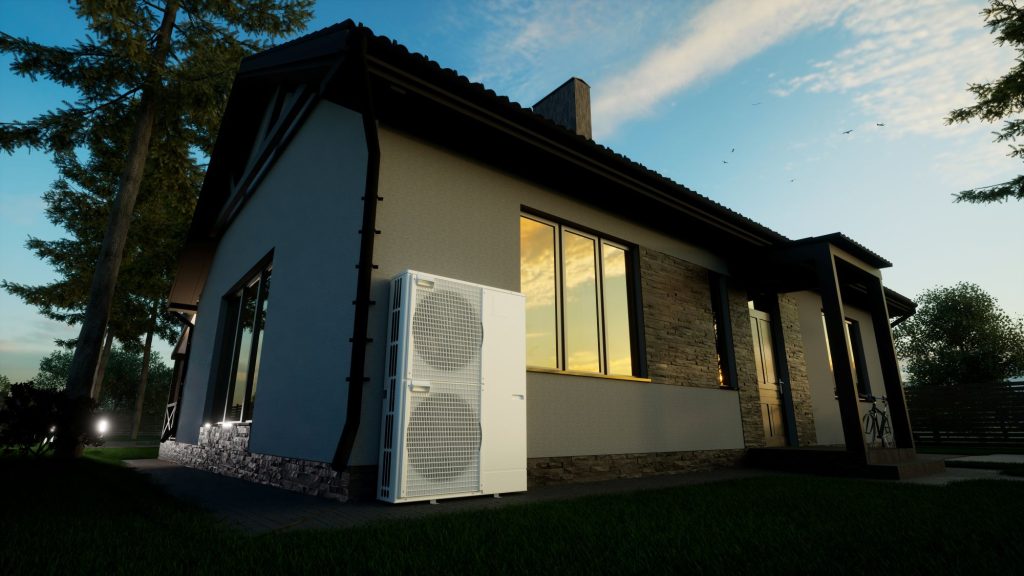
Heat pumps are an incredibly efficient way to heat and cool New Zealand homes because they move heat rather than generating it. When used correctly, they can deliver two to three units of heat for every unit of electricity consumed, providing year‑round comfort and lower running costs.
At Comfort Group, our technicians install, service and repair air‑source and ducted heat pumps across the Coromandel, Hauraki and Waikato regions. Over the years we have noticed that the households who get the best results are those who know how to operate their systems. This guide shares practical steps to help you use your heat pump efficiently and maximise comfort.
Set it and forget it
Inverter‑driven heat pumps work most efficiently when they maintain a steady temperature. Experts note that turning the unit down when you leave and then cranking it back up forces the compressor to work harder and can use more energy overall. Industry guides describe this strategy simply as set it and forget it: maintain a steady heating set‑point and let the inverter modulate rather than frequently adjusting temperatures.
Leaving the heat pump on for longer periods can actually be more efficient because it can run at lower output, offsetting the longer run time. This approach is sometimes called a set‑back – lower the temperature by a few degrees overnight or while you’re away rather than switching the unit off entirely. Pick a comfortable temperature and let the heat pump do its job.
Choose the right mode and temperature
Modern heat pumps offer multiple modes. In winter, use the heat setting (often shown as a sun icon) so that the unit is focused on heating. Avoid auto mode because this setting allows the system to switch between heating and cooling and can cause the unit to blow cold air on a sunny winter day or warm air on a cool summer night. When cooling during humid weather, try the dry or dehumidification mode to reduce moisture without over‑cooling, or fan mode if you just need air movement.
Choosing the right temperature also makes a big difference. Many manufacturers recommend setting your heat pump to around 18–22 °C in winter to stay warm without excessive energy use; if you run the heating overnight, you can drop it to 16–18 °C and still wake up cosy. Because wall‑mounted indoor units measure temperature high on the wall, you may need to set a higher temperature than you would on a traditional thermostat to feel comfortable. Setting the target temperature much higher than necessary won’t heat the room faster – it will just make the unit run harder and waste energy.
Optimise airflow and zone usage
For efficient heating, direct warm air downwards and across the floor. Adjust the vanes or “swing” setting on your remote so that the airflow reaches the occupants and distributes heat evenly. Start with the fan on Auto to let the system adjust as needed; if you prefer a constant airflow you can choose a fixed fan speed. Keep doors and windows closed so the conditioned air stays in the room, and draw curtains or blinds at night to reduce heat loss. In open‑plan homes, heat pumps will naturally prioritise the space they are in, so use zoning wisely: close off unused rooms to avoid wasting energy and consider supplementary heaters for seldom‑used spaces.
Planning when to run your heat pump also helps. Heating your home early in the morning before demand spikes and cooling before midday heat means the unit isn’t fighting peak outdoor temperatures. Programming your schedules to align with time‑of‑use electricity tariffs can further reduce costs.
Use timers and set‑backs
Most modern heat pumps have timers. Use them to start the unit before you need heat or cooling and to maintain a set‑back temperature when you’re asleep or away. Many experts advise keeping your heat pump on continuously and lowering the set‑point when you don’t need full heating. Avoid running the system when outside air temperatures are very low unless necessary, as heat pumps have to work harder in freezing conditions; instead, use the timer so the unit runs during milder periods or when electricity prices are lower.
Clean and maintain your system
Regular maintenance keeps your heat pump efficient and extends its life. Dust and debris reduce airflow and make the unit work harder, so vacuum or rinse the indoor filters every few months or when they appear dirty. Many authorities recommend cleaning or replacing filters about four times a year. If you use your heat pump heavily or have pets or smokers in the home, check them more frequently. In addition, keep furniture, curtains and other items away from indoor vents, and clear leaves, snow and debris from around the outdoor unit. Don’t worry about seeing steam during defrost – short defrost cycles are normal in freezing weather.
Schedule professional servicing at least once a year. A technician will deep‑clean the coils, check refrigerant levels and ensure the system is operating safely. Some organisations suggest annual or biennial inspections scheduled opposite the season of use so your system is ready for winter or summer. Many experts also emphasise using manufacturer‑approved thermostats and controls for variable‑speed heat pumps and booking annual service to protect efficiency.
If your system displays warnings or fault messages, don’t ignore them; contact your installer or manufacturer promptly. For optimal performance, Comfort Group’s technicians also recommend cleaning the outdoor coil and checking refrigerant charges to maintain efficiency.
Enhance your home’s efficiency
A heat pump performs best in a well‑insulated, draught‑free home. Seal gaps around doors and windows, add insulation to ceilings and under floors and use thick curtains to retain warmth in winter and keep heat out in summer. Good insulation allows the heat pump to maintain a steady temperature without cycling excessively. If you are on a time‑of‑use electricity plan or generate solar power, you can schedule heating and hot water production to coincide with cheaper rates or free solar energy.
When to use backup heat
Modern cold‑climate heat pumps can provide useful heat at temperatures well below freezing. They are designed to operate at –15 °C or below, but may benefit from pairing with a boiler or furnace at very low temperatures to optimise comfort and cost.
In New Zealand’s relatively mild winters, most homes won’t need backup heating, but if you live in an area prone to sub‑zero nights, consider keeping a supplementary heater on hand and follow any manufacturer recommendations.
Work with a professional
Choosing the right size and type of heat pump is critical. A unit that is too small will struggle to heat or cool your space efficiently, while an oversized system may cycle on and off, wasting energy and shortening its lifespan. At Comfort Group we assess your home’s layout, insulation and usage patterns to recommend the ideal system.
Our team can show you how to adjust the louvres for optimal airflow, set timers and use the remote effectively. We also offer regular servicing to keep your heat pump running smoothly and can upgrade or replace older units with high‑efficiency models.
Heat pumps are an excellent investment for comfort and energy savings. By understanding how your system works and following the tips above, you’ll enjoy a cosy home in winter, a cool retreat in summer and lower energy bills all year round.