

Condensation on windows is common in New Zealand homes, particularly through autumn and winter. A little moisture may not seem serious, but persistent condensation creates the damp conditions that allow mould to develop on window frames, walls, ceilings, curtains and behind furniture.
Author Archives: Comfort Group
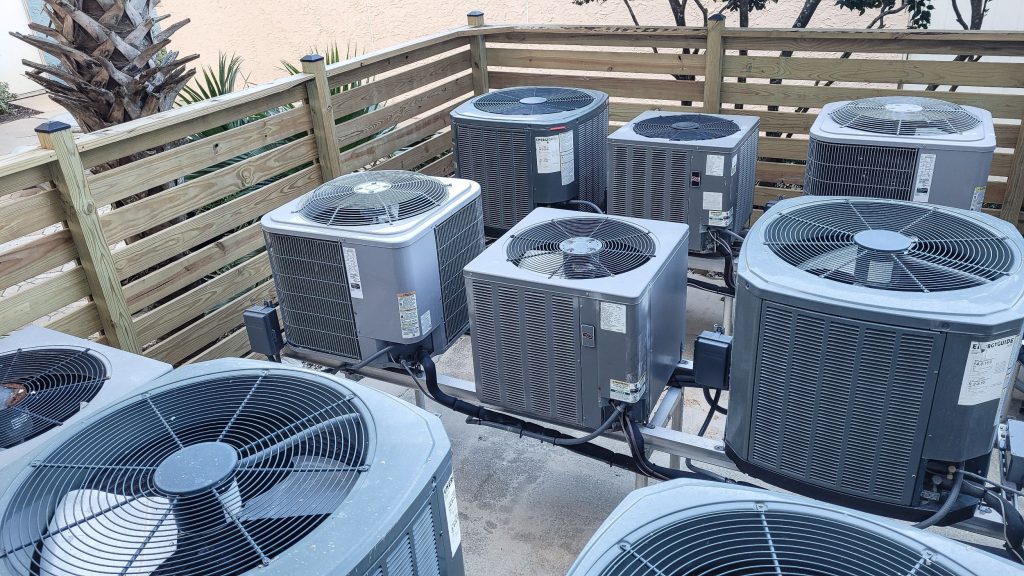
Heating, ventilation and air conditioning can represent a major part of a commercial building’s energy use. EECA estimates that HVAC accounts for around 40% of the typical energy bill of a New Zealand commercial building, making it one of the first areas worth examining when operating costs start to rise.
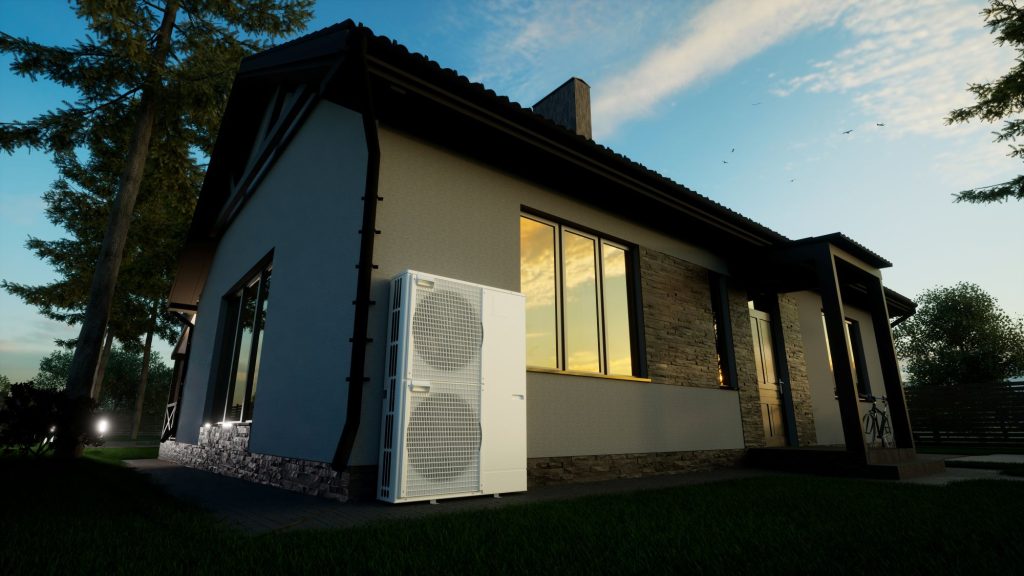
Heat pumps are not silent, but modern systems are typically quiet enough that, when correctly selected and installed, they fade into background noise for most households. The important detail is where the sound comes from, how it is measured, and how quickly it drops off with distance.
The Healthy Homes Standards are a set of minimum legal requirements for rental properties in New Zealand. They cover five areas that most directly affect indoor comfort and moisture: heating, insulation, ventilation, moisture ingress and drainage, and draught stopping.

If you spend long hours behind the wheel of a tractor, harvester, or sprayer, you already know how quickly conditions inside the cab can become uncomfortable. With large glass panels trapping heat, limited ventilation, and constant exposure to dust and diesel exhaust, a functioning air conditioning system is far more than a luxury, it is essential for safety, health, and productivity.
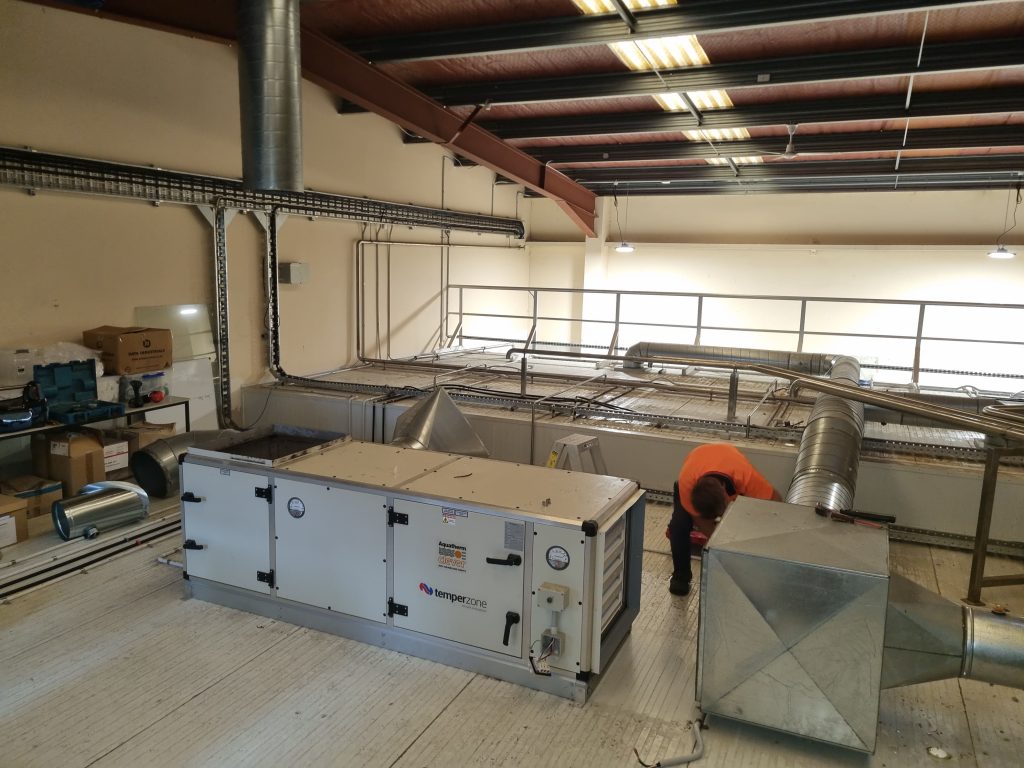
Climate control in a commercial building is not just about comfort. It directly affects how well your staff perform, whether your business meets its health and safety obligations, and how much you spend on energy each month. If your current system is outdated, undersized, or poorly maintained, the impact is likely costing you more than you realise.

A home ventilation system is designed to manage the flow of air inside a house. Its purpose is to bring in fresh air, remove stale or moisture-laden air, and maintain a healthier indoor environment.
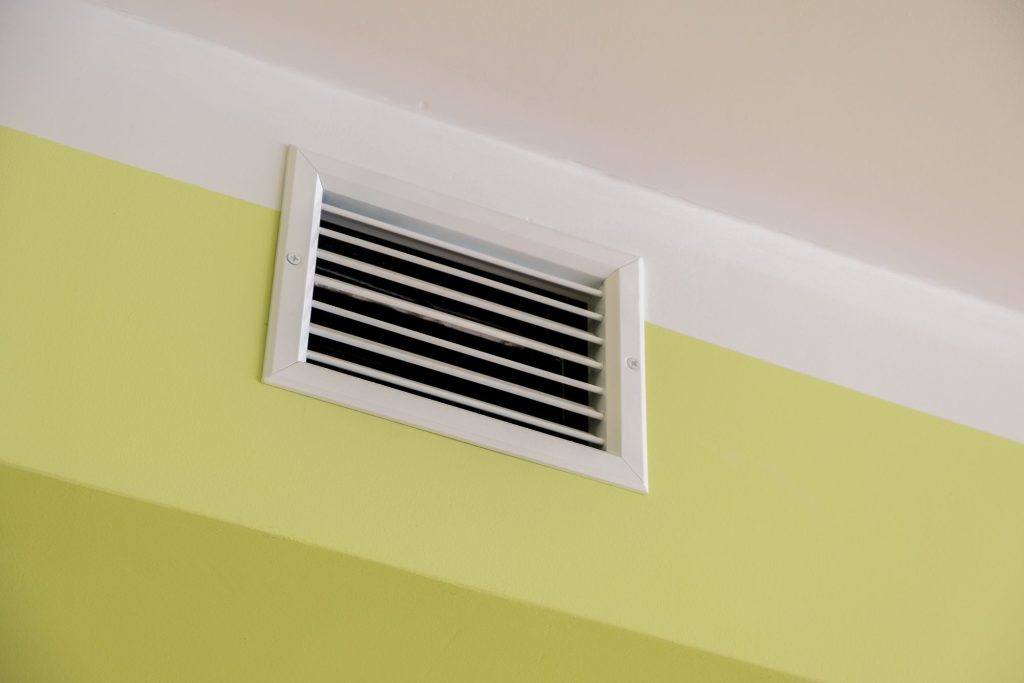
Positive pressure ventilation is a home ventilation method designed to improve indoor air quality by supplying filtered fresh air into living spaces. Rather than extracting stale air out, the system gently pushes clean air into the home, creating a slight positive pressure that forces old, damp air out through natural gaps such as vents, window frames and door openings.
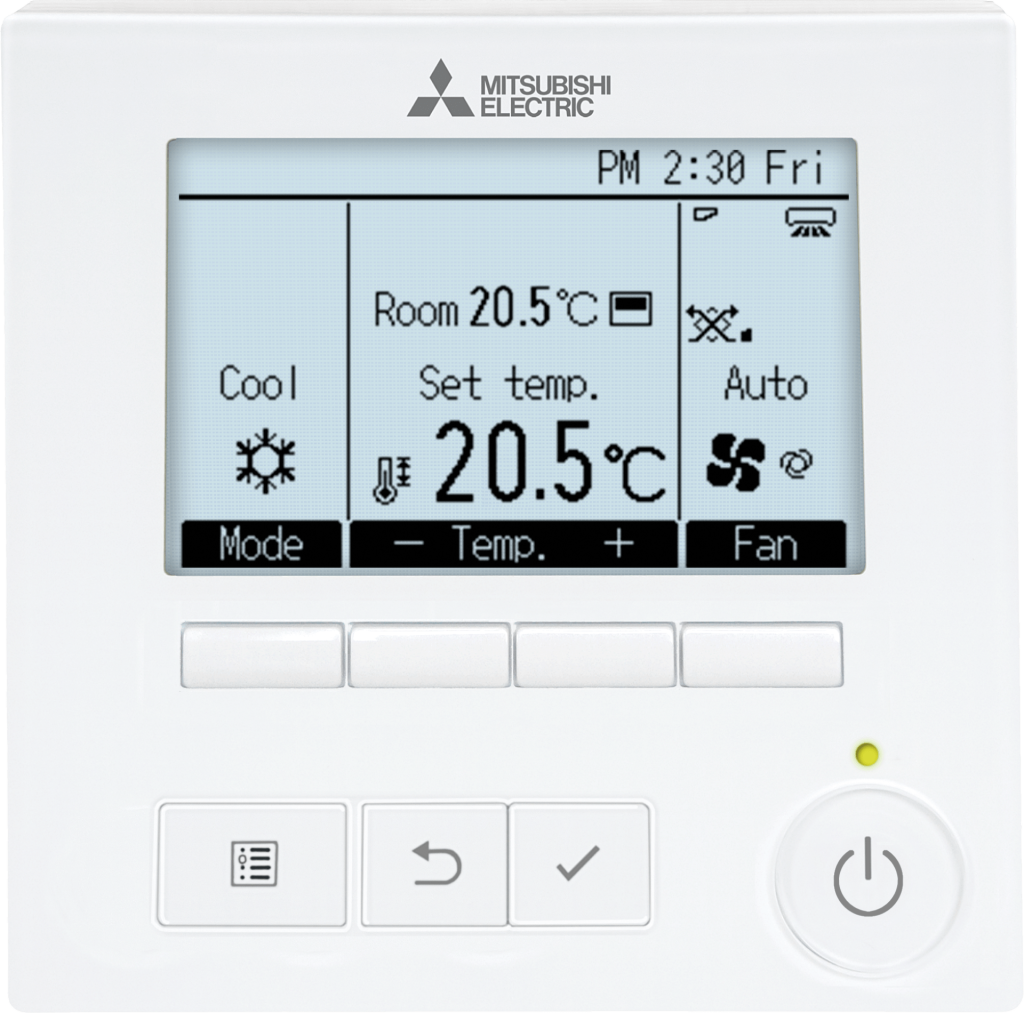
Many people assume that every air‑conditioner cleans the air as well as cools it. In reality, the answer is more nuanced. Modern air‑conditioning units include filters, but those filters are primarily designed to protect the equipment and maintain efficiency rather than to act as standalone air purifiers. Here we explain how air‑conditioning systems move air, what their filters do and how you can optimise indoor air quality.