

Estimated reading time: 4 minutes
Positive pressure ventilation is a home ventilation method designed to improve indoor air quality by supplying filtered fresh air into living spaces. Rather than extracting stale air out, the system gently pushes clean air into the home, creating a slight positive pressure that forces old, damp air out through natural gaps such as vents, window frames and door openings.
This approach is widely used in homes where condensation, moisture and poor air circulation are common issues. When correctly designed and installed, positive pressure ventilation supports a drier, healthier and more comfortable indoor environment.
How Positive Pressure Ventilation Works
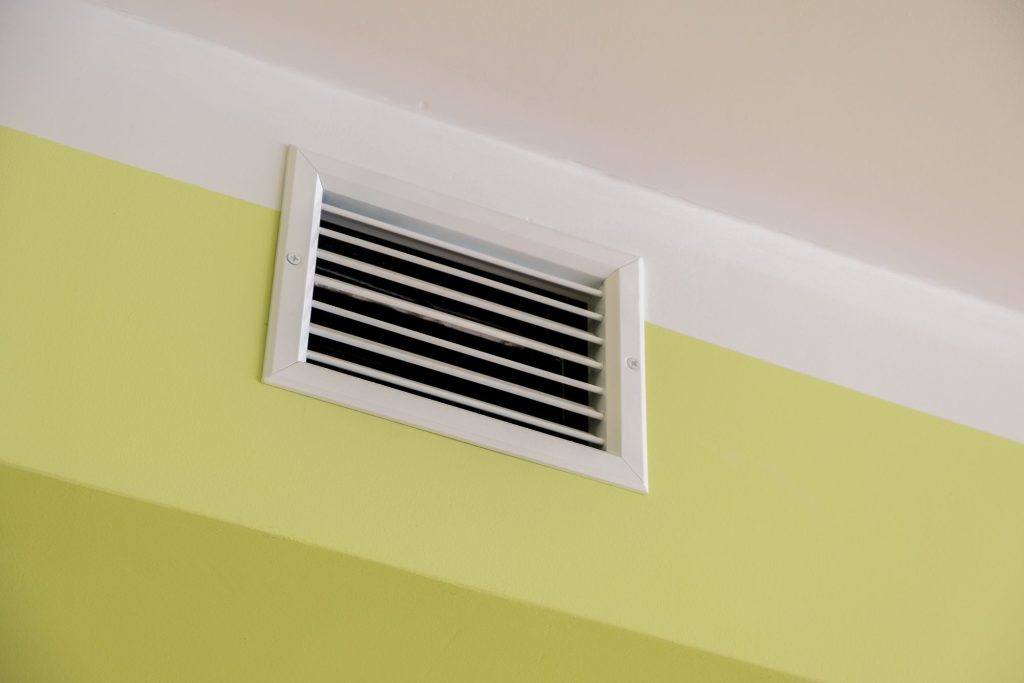
A positive pressure ventilation system draws fresh air from outside or from a roof cavity where the air is typically warmer and drier than indoor air. This incoming air is passed through filters to remove dust, pollen and other airborne particles before being distributed into the home through ceiling or wall vents.
As fresh air enters the home, it slightly increases the internal air pressure. This pressure difference pushes stale air out through natural leakage points. Because the airflow direction is controlled, moisture laden air does not linger inside the building, helping reduce condensation and dampness.
Unlike exhaust ventilation systems, which rely on removing air from specific rooms, positive pressure systems focus on maintaining a continuous supply of fresh air throughout the home.
Benefits of Positive Pressure Ventilation
One of the main advantages of positive pressure ventilation is improved indoor air quality. By constantly introducing fresh air, the system helps dilute indoor pollutants such as moisture, odours, dust and allergens.
Moisture control is another key benefit. Excess humidity is a common cause of window condensation and mold growth. By pushing damp air out and replacing it with drier air, positive pressure systems help keep indoor surfaces drier, reducing the conditions that allow mold to develop.
These systems can also support better thermal comfort. When paired with heat transfer or heating systems, incoming air can be tempered or redistributed to help maintain more consistent indoor temperatures.
Where Positive Pressure Ventilation Is Most Effective
Positive pressure ventilation works best in homes that are reasonably well sealed but still allow air to escape naturally. It is particularly effective in properties where moisture build up occurs during colder months or in areas with limited natural ventilation.
Homes with roof cavities are well suited to this system, as roof space air can be utilised as part of the ventilation process when appropriately filtered and managed.
However, very airtight homes may require additional controlled exhaust points to ensure balanced airflow and avoid pressure build up in unwanted areas.
Positive Pressure vs Other Ventilation Systems
Positive pressure ventilation differs from balanced or negative pressure systems. Balanced systems both supply and extract air using mechanical fans, while negative pressure systems actively remove stale air and rely on passive air entry.
Positive pressure systems are generally simpler in design and installation. They are often quieter, require less ducting and are cost effective to run. The right system choice depends on the home’s construction, insulation, airtightness and occupant needs.
Maintenance and System Care
To maintain performance, filters should be checked and replaced regularly. Clean filters ensure good airflow and effective removal of airborne particles. Periodic inspection of vents and fans also helps ensure the system continues to distribute air evenly throughout the home.
Professional assessment during installation is important to confirm airflow rates, vent placement and pressure balance. A properly commissioned system will deliver consistent results without creating draughts or cold spots.
Why Professional Design Matters
A positive pressure ventilation system must be designed to suit the specific layout and conditions of the home. Factors such as roof space temperature, insulation levels, room sizes and airflow pathways all influence performance.
When designed and installed by experienced professionals, positive pressure ventilation becomes a reliable solution for improving indoor air quality, reducing condensation and supporting a healthier living environment year round.