

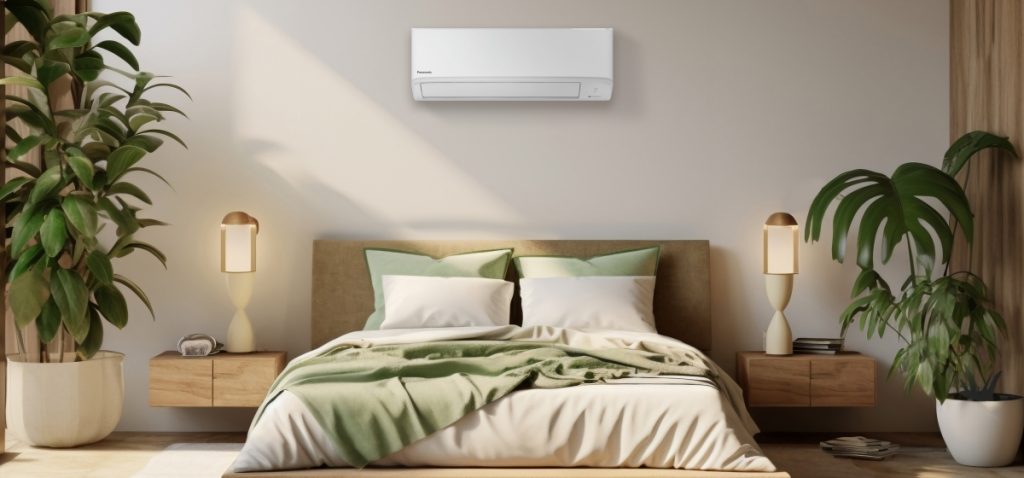
The Healthy Homes Standards are a set of minimum legal requirements for rental properties in New Zealand. They cover five areas that most directly affect indoor comfort and moisture: heating, insulation, ventilation, moisture ingress and drainage, and draught stopping.
They sit under the Residential Tenancies (Healthy Homes Standards) Regulations 2019, and landlords must ensure a property meets the standards (unless an exemption applies) and continues to meet them over time.
Who must comply, and when
Healthy Homes obligations apply to rental properties. The practical rule now is simple: all rentals should already be compliant unless a valid exemption applies. Tenancy Services set a final compliance deadline of 1 July 2025 for private rentals that had not yet reached their compliance date under the staged rollout.
Separate from physical work, tenancy agreements have information requirements. New, renewed, or varied agreements must include a compliance statement describing the property’s current level of compliance (and any exemption being relied on).
The five standards, explained
1) Heating standard
What the law requires
- The main living room must have one or more fixed heaters that can directly heat that room. Portable plug-in heaters do not meet the standard on their own.
- The heaters must be “qualifying” and must meet the required heating capacity for the main living room.
How heating capacity is determined
There are two compliance pathways:
- Standard method (Schedule 2): required heating capacity can be calculated using the regulation’s formula and assumptions.
- Alternative pathway (Regulation 10A): a suitably qualified specialist can assess the heating capacity required to heat the living room to at least 18°C, within 2 hours after an 8-hour period of disuse, and maintain 18°C given expected heat losses.
Tenancy Services also notes a publicly available heating capacity calculator may be used and is presumed to align with the Schedule 2 method unless proven otherwise.
When an exemption may apply
If it is not reasonably practicable to install qualifying heaters to comply at the start of the tenancy, a heating exemption can apply, but it can cease if installation later becomes reasonably practicable.
2) Insulation standard
What the law requires
- Ceilings in each domestic living space must be fully covered by qualifying ceiling insulation, subject to permitted clearances and areas where another domestic living space is immediately above.
- Suspended floors beneath domestic living spaces must be fully covered by qualifying underfloor insulation, with limited exceptions (for example, where another domestic living space is directly below, or where clearance is needed around installed items).
Minimum R-values
- Ceiling insulation must meet minimum installed R-values of R2.9 (zones 1 and 2) or R3.3 (zone 3).
- Underfloor insulation must have had an installed R-value of at least R1.3.
Installation and condition requirements
Qualifying insulation must have been installed in accordance with NZS 4246:2016 and be in a reasonable condition (or better). The regulations set out factors for judging condition, including dampness, damage, degradation, displacement, and whether performance is compromised.
Exemptions and partial exemptions
An insulation exemption may apply where it is not reasonably practicable to install the required insulation at the start of the tenancy, but this can cease if the situation changes.
The regulations also provide partial exemptions in specific situations (for example, certain ceiling insulation scenarios tied to prior compliance documentation and building consent dates).
3) Ventilation standard
Ventilation is split into two parts: openable windows/doors for habitable spaces, and mechanical extraction for kitchens and bathrooms.
Openable windows and doors (habitable spaces)
- Each habitable space must have one or more “qualifying” windows or external doors.
- The total openable area must be at least 5% of the floor area of that habitable space.
- A qualifying window/door must be able to remain fixed in the open position during normal occupation.
There is a narrow exemption where a room was lawfully built without qualifying windows/doors and still meets the alternative ventilation requirements that made it lawful.
Extractor fans (kitchens and bathrooms)
Each kitchen and bathroom must have either an extractor fan or “qualifying ventilation”.
If an extractor fan is used, the minimums are:
- Kitchen: duct diameter at least 150 mm, or exhaust capacity at least 50 L/s.
- Bathroom: duct diameter at least 120 mm, or exhaust capacity at least 25 L/s.
A limited exemption exists where it is not reasonably practicable to install compliant extraction, but it can cease if compliant installation later becomes reasonably practicable.
4) Moisture ingress and drainage standard
This standard targets avoidable dampness caused by poor stormwater control and ground moisture.
Drainage system
- The tenancy building must have a drainage system that efficiently drains stormwater, surface water, and groundwater to an appropriate outfall.
- It must include appropriate gutters, downpipes, and drains to remove water from the roof.
Ground moisture barrier
Where a tenancy building has a suspended floor and the subfloor space is enclosed, a ground moisture barrier is required. It must meet the specifications for an on-ground vapour barrier in NZS 4246:2016 and be installed accordingly.
An exemption can apply if it is not reasonably practicable to install a ground moisture barrier.
5) Draught stopping standard
This standard focuses on preventing noticeable, avoidable draughts that undermine heating and comfort.
Open fireplaces
If there is an open fireplace, it must be closed off or the chimney blocked to prevent draughts in and out through the fireplace, unless the tenant requests in writing that it be available for use and the landlord agrees.
Unreasonable gaps and holes
The premises must be free from gaps between, and holes in, building elements that:
- are not intentional (such as designed drainage/ventilation openings),
- allow draughts into or out of the premises, and
- are “unreasonable”.
When judging whether a gap or hole is unreasonable, the regulations allow consideration of size, location, draught extent, combined draught impact, and likely effect on heat loss. The age and condition of the building must not be used to justify unreasonable draughts.
Exemptions: what they are, and what they are not
Healthy Homes has exemptions, but they are not a general “old house” exception. Exemptions are defined by regulation and typically depend on specific circumstances (for example, not reasonably practicable to install a component at the start of the tenancy, or certain short-term or building-control scenarios).
If the circumstances change so that compliance becomes reasonably practicable, certain exemptions can cease during the tenancy, bringing the obligation back.
Tenancy agreement requirements: the compliance statement
A compliance statement must be included with new, renewed, or varied tenancy agreements, setting out the property’s current compliance position and any exemption relied on.
Tenancy Services also notes potential financial penalties for non-compliance, including up to $7,200 for breaches of Healthy Homes obligations, and up to $500 for failing to include the required compliance statement when required.
Record keeping and providing information to tenants
Landlords must keep records and documents showing how the property complies. Tenants can request compliance information, and landlords must provide it within 21 days.
What “compliance” looks like in practice
Healthy Homes compliance is not one upgrade. It is a set of measurable, checkable building conditions:
- Heating that can bring and hold the main living room at a usable temperature (with capacity calculated or professionally assessed).
- Insulation that meets R-value minimums for the relevant zone and remains in reasonable condition.
- Ventilation that meets the 5% openable area rule for habitable spaces, plus compliant extraction in kitchens and bathrooms.
- Drainage and subfloor moisture controls that reduce dampness sources.
- Draught stopping that removes unreasonable, heat-leaking gaps without blocking intentional ventilation openings.