

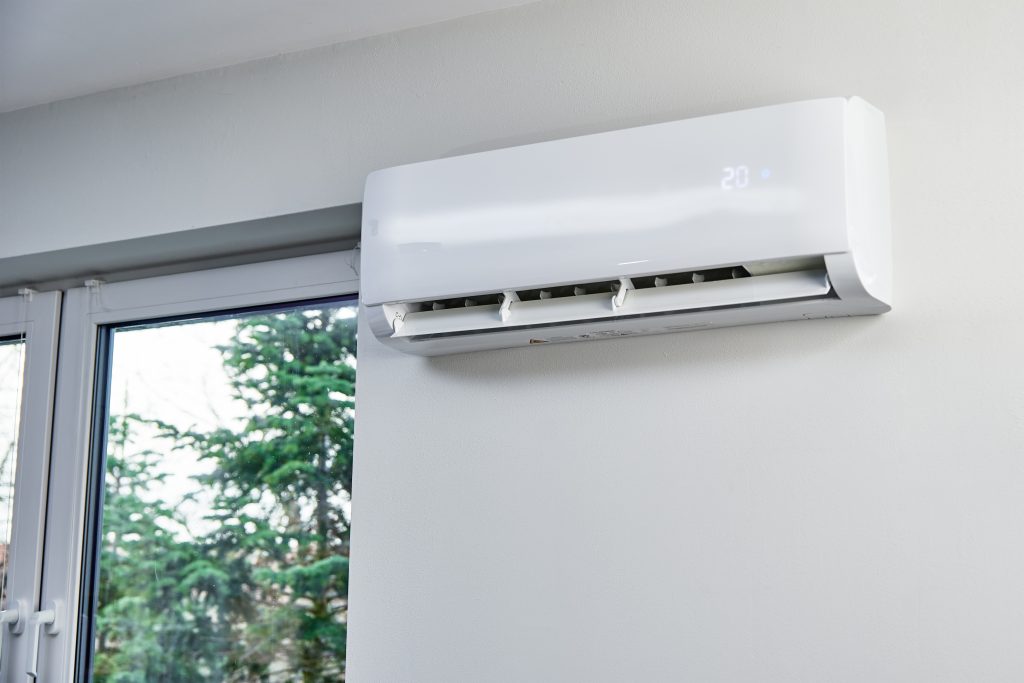
Air conditioning can make a big difference during a New Zealand summer, but it is frustrating when you switch your system to cooling mode and the room stays warm.
Many air conditioning systems used to heat homes during winter can also provide effective cooling in summer. However, incorrect settings, blocked filters and restricted airflow can all affect how well they perform.
Before assuming your air conditioning system has a major fault, there are several simple checks worth going through.
Check Your Air Conditioning Is in Cooling Mode
Start with the remote control.
For cooling, your air conditioning should be set to Cool mode, usually represented by a snowflake symbol.
Do not rely on Auto mode if you want consistent cooling. Auto allows the system to decide whether heating or cooling is required, which can produce unexpected results as the room temperature changes.
Comfort Group recommends selecting the appropriate operating mode rather than relying on Auto.
Set the desired temperature below the current room temperature. Setting it extremely low will not necessarily make the room cool faster and can result in unnecessary energy consumption.
For more information about choosing the right settings, see Comfort Group’s guide to using your heating and cooling system efficiently.
Check the Airflow
If your air conditioning is running but very little air is coming from the indoor unit, restricted airflow could be the issue.
The filter is one of the first things to check. Dust and debris build up through normal use and can restrict the amount of air moving through the system.
Dirty filters can reduce cooling performance and place additional strain on the equipment.
For most residential units, filters can be removed and cleaned according to the manufacturer’s instructions. Allow washable filters to dry completely before reinstalling them.
Also check that curtains, furniture or other objects are not blocking the indoor unit.
Regular filter cleaning is an important part of air conditioning maintenance and can help keep the system operating efficiently throughout summer.
Give the Outdoor Unit Some Space
The outdoor unit needs a clear path for airflow.
Check that leaves, grass, cobwebs or other debris have not accumulated around the unit. Make sure plants or stored items are not obstructing the airflow.
When your air conditioning is cooling, the outdoor unit releases heat removed from inside your home. Restricting that airflow makes it harder for the system to operate efficiently.
Do not dismantle the outdoor unit or attempt to clean refrigeration components yourself.
A visual inspection and removal of loose debris around the unit is reasonable, but refrigerant and electrical work should be handled by a qualified technician.
Check the Louvres
The direction of the airflow can make a noticeable difference to how quickly a room feels cooler.
Adjust the horizontal and vertical louvres so cool air is distributed across the occupied part of the room rather than blowing directly into a corner or obstruction.
Comfort Group recommends adjusting louvres and using the swing function to help distribute conditioned air around the room.
Keep doors and windows closed while the air conditioning is cooling. Otherwise, warm outside air continues entering the room and the system has to work harder to maintain the set temperature.
Is Your Air Conditioning Actually Producing Cold Air?
After switching to cooling mode, give the system some time to operate.
Air conditioning does not necessarily produce its coldest air immediately. Once running, check whether the air from the indoor unit is noticeably cooler than the room.
If the fan is running but the air remains at room temperature, the problem may be more than a simple setting.
A system that used to cool effectively but has gradually become less effective may have an issue with refrigerant, airflow or another component.
If basic troubleshooting does not resolve the problem, a professional air conditioning service can help identify the cause.
Try Dry Mode in Humid Weather
Some air conditioning systems have a Dry or dehumidification mode.
This mode is designed to remove moisture from the air rather than provide maximum cooling.
Consumer NZ notes that Dry mode generally provides less cooling because the indoor fan operates differently, but it can be useful when humidity is the main reason a room feels uncomfortable.
Dry mode should therefore not be confused with normal cooling mode.
If the room is hot, use Cool mode. If humidity is the bigger problem, Dry mode may be worth trying.
Keep the Heat Out
Sometimes the air conditioning is working correctly but is fighting a large heat load.
During a hot summer day, sunlight through windows can add substantial heat to a room.
Consumer NZ recommends keeping curtains or blinds closed during the hottest parts of the day and reducing heat-producing activities and appliances where practical.
Simple measures include:
- Close curtains or blinds on sun-facing windows.
- Keep external doors and windows closed while cooling.
- Avoid running ovens and other heat-producing appliances during the hottest part of the day.
- Start cooling before the room becomes excessively hot.
A correctly sized air conditioning system still has limits. Comfort Group notes that choosing the right system capacity is important because an undersized unit can struggle to maintain comfortable temperatures.
If your existing system regularly struggles to cool the space, it may be worth reviewing whether the air conditioning unit is correctly sized for your home.
When Your Air Conditioning Needs Professional Attention
Some problems cannot be fixed through the remote control or basic cleaning.
Arrange a service or repair if:
- The unit is running but not producing cold air.
- Cooling performance has gradually deteriorated.
- The system switches off unexpectedly.
- There are unusual noises or smells.
- Water is leaking from the indoor unit.
- The system displays a fault code.
- The outdoor unit is not operating correctly.
- Cleaning the filters has made no difference.
Refrigerant problems are particularly important to have diagnosed rather than simply assuming the system needs a top-up.
An air conditioning refrigerant circuit is designed to operate as a sealed system, so a loss of refrigerant can indicate a leak or another fault.
Comfort Group provides air conditioning repairs and servicing for residential systems, including issues involving refrigerant leaks, electrical faults and airflow problems.
How to Keep Your Air Conditioning Cooling Efficiently
Regular maintenance is easier than waiting for the system to stop working on the hottest day of summer.
Before summer, check the filters, clear debris around the outdoor unit and make sure the airflow from the indoor unit is unobstructed.
Professional servicing can then identify problems that are not visible during a basic homeowner check.
Comfort Group recommends regular maintenance to keep air conditioning systems operating efficiently and provides installation, servicing and repairs across the Waikato, Hauraki Plains and Coromandel Peninsula.
For more information, see Comfort Group’s guide to efficient heating and cooling or learn more about residential air conditioning installation and servicing.
A Quick Summer Air Conditioning Checklist
Before calling for a repair, check:
Mode: Cool, not Heat or Auto.
Temperature: Set below the current room temperature.
Filter: Clean and correctly fitted.
Airflow: Indoor vents and louvres are unobstructed.
Outdoor unit: Free from leaves, grass and other debris.
Windows and doors: Closed while cooling.
Sun: Curtains or blinds closed during strong direct sunlight.
Performance: The air coming from the unit should become noticeably cooler.
If those checks do not solve the problem, the system may need professional diagnosis.
A properly maintained and correctly sized air conditioning system should provide reliable heating in winter and effective cooling when summer temperatures rise.