

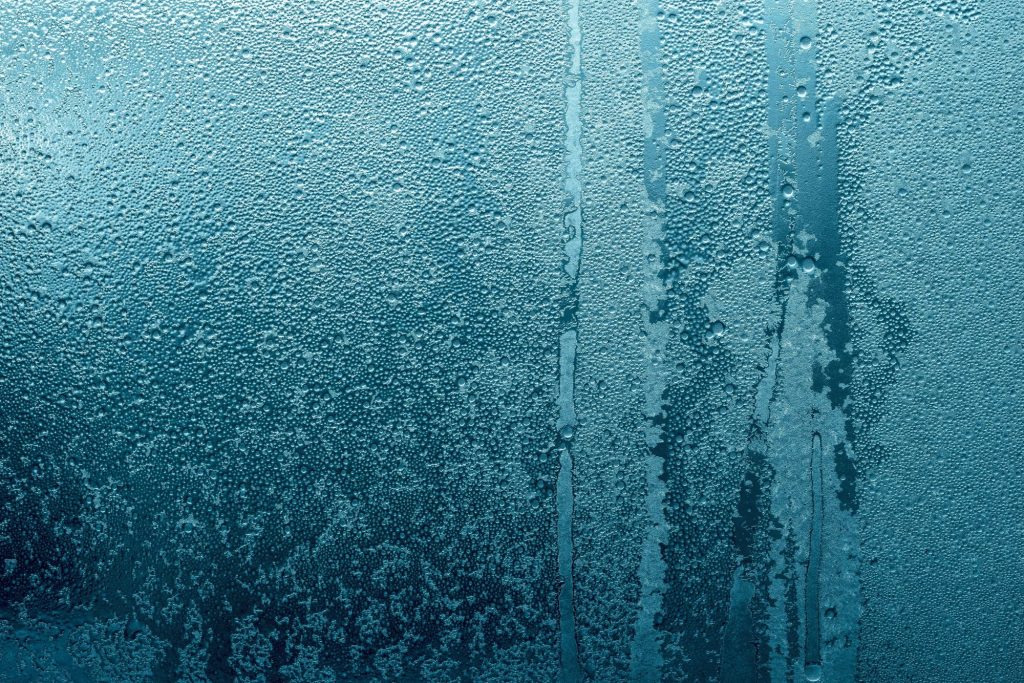
Condensation on windows is common in New Zealand homes, particularly through autumn and winter. A little moisture may not seem serious, but persistent condensation creates the damp conditions that allow mould to develop on window frames, walls, ceilings, curtains and behind furniture.
The problem is widespread. BRANZ reports that the 2023 Census found 18% of occupied private dwellings experienced dampness at least some of the time, while 14% had mould larger than an A4 sheet either sometimes or always.
Stopping condensation and mould requires more than wiping the windows each morning. The aim is to reduce excess moisture, remove humid air and keep internal surfaces warm enough that water is less likely to condense.
Why Does Condensation Form in NZ Homes?
Everyday activities add moisture to the indoor air. Cooking, showering, drying clothes and even breathing all contribute. When humid air comes into contact with a cold surface such as a single-glazed window or poorly insulated wall, some of that moisture can turn into liquid water.
Comfort Group’s existing ventilation guidance identifies moisture from cooking, showering and drying clothes as common contributors to condensation, mould and musty indoor conditions.
The problem becomes more noticeable in winter because homes are colder and people tend to keep windows closed for longer.
1. Remove Moisture at the Source
The first step is preventing unnecessary moisture from entering the home.
Practical changes include:
- Dry washing outside where possible.
- Put lids on pots while cooking.
- Avoid using unflued portable gas heaters, which release moisture indoors.
- Wipe up spills promptly.
- Keep bathroom doors closed while showering.
- Make sure clothes are properly dry before storing them.
Tenancy Services recommends these measures as part of preventing dampness and mould in New Zealand homes.
If the moisture is coming from the building rather than everyday activities, the source needs to be repaired. Leaking roofs or pipes, overflowing gutters, poor drainage and damp subfloors cannot be solved by simply opening a window.
2. Use Bathroom and Kitchen Extractor Fans
Bathrooms and kitchens generate large amounts of moisture over short periods, making effective extraction important.
Run the bathroom extractor while showering and allow it to continue operating afterwards where the system permits. Use a rangehood or kitchen extractor when cooking and make sure the air is ducted outside rather than simply recirculated into the room.
New Zealand’s Healthy Homes Standards reflect the importance of source extraction. Rental properties must have mechanical ventilation in rooms containing a bath, shower or indoor cooktop, subject to the applicable requirements and exemptions.
Extractor fans also need maintenance. Dust, grease and debris can restrict airflow, reducing their ability to remove moisture effectively.
3. Ventilate the Whole Home
Opening windows remains one of the simplest ways to replace stale, humid indoor air with fresh outdoor air.
The Ministry of Health’s research into New Zealand ventilation practices found that many buildings rely heavily on naturally ventilated windows and doors, while occupants often underestimate how effective opening windows can be at improving ventilation.
The difficulty is consistency. Windows may remain closed on cold or wet days, overnight and while the house is empty. Some rooms may also receive much less airflow than others.
A mechanical home ventilation system provides a more controlled method of moving air through the property. Comfort Group explains that these systems can introduce fresh air and remove or displace moisture-laden indoor air, helping reduce condensation on windows and walls.
4. Keep the Home Warm
Ventilation removes moisture, but temperature matters too.
Cold windows and walls provide surfaces where condensation can form. Keeping the house adequately heated helps raise internal surface temperatures and makes condensation less likely.
EECA recommends setting a heat pump between approximately 18°C and 21°C during winter as part of keeping a home warm while helping control dampness and mould.
A heat pump can also help dehumidify indoor air as part of its operation, but heating alone does not fix major moisture sources. Ventilation and moisture control still need to be addressed. Comfort Group similarly distinguishes heating and cooling from ventilation, with ventilation primarily managing airflow, humidity and indoor air quality.
5. Improve Insulation and Glazing
A poorly insulated home loses heat quickly, leaving ceilings, walls, floors and windows colder.
Improving insulation helps the house retain heat and can reduce the conditions that contribute to surface condensation. Window performance matters as well. EECA notes that wood and uPVC window frames lose less heat and are less likely to attract condensation than aluminium frames, while improved window insulation can significantly reduce heat loss.
Double glazing can help reduce condensation, but it should not be treated as a complete moisture-control strategy. Excess indoor humidity can still cause moisture problems elsewhere in the home if ventilation is inadequate.
6. Wipe Away Existing Condensation
If windows are wet in the morning, remove the water rather than allowing it to remain on frames and sills.
This does not solve the underlying cause, but it prevents moisture sitting against paint, timber, curtains and other materials for extended periods. Tenancy Services specifically recommends wiping condensation from windows and walls as part of controlling dampness.
Persistent daily condensation is a sign that the home’s moisture, heating or ventilation balance needs attention.
7. Give Furniture and Wardrobes Space to Breathe
Mould often appears in places with limited air movement, including behind beds, drawers and wardrobes positioned against external walls.
Moving furniture slightly away from walls allows air to circulate. Leaving wardrobes partly open periodically can also help prevent trapped moisture. These measures are included in Tenancy Services’ recommendations for preventing mould and dampness.
How to Remove Existing Mould
Existing mould should be removed rather than painted over.
Tenancy Services recommends white vinegar as one option for cleaning mould and advises using protective gloves, eye protection and a suitable mask when working with mould or cleaning products. It also stresses that persistent mould may indicate a hidden moisture source that needs professional investigation.
Cleaning deals with the visible mould. Unless the underlying moisture problem is corrected, it is likely to return.
What If Condensation Keeps Coming Back?
Repeated condensation despite normal heating and ventilation can indicate a bigger issue.
Possible causes include:
- insufficient extraction in bathrooms or kitchens
- inadequate whole-home ventilation
- poor insulation
- significant moisture entering from beneath the house
- plumbing or roof leaks
- drainage problems
- cold or poorly performing glazing
- ventilation equipment that is incorrectly sized or maintained
A home needs to be considered as a complete system. Heating, insulation and ventilation work together; improving only one may not address the underlying problem. Building Performance NZ states that a well-ventilated, well-insulated room is considerably less likely to experience condensation and mould on walls and windows.
Condensation and Mould in Rental Homes
Rental homes in New Zealand are subject to Healthy Homes Standards covering heating, insulation, ventilation, moisture ingress and drainage, and draught stopping. All rental properties must comply unless a valid exemption applies.
Tenants are still responsible for reasonable day-to-day ventilation and cleaning, while landlords are responsible for building-related problems and maintaining the property to the required standards. Persistent leaks, drainage problems, faulty extractor fans or significant dampness should therefore be investigated rather than assumed to be an occupant-created condensation problem.